



As mentioned, nut drivers are ideal for low to medium-torque applications. Applying excessive force can damage both the nut and the tool. Despite their lower torque, nut drivers offer excellent control and effectively tighten or loosen nuts and bolts without compromising your equipment. Here are some common use cases for nut drivers:
Nut Drivers Technical Information: Types and Applications
Learn what a nut driver is, how to use it correctly, and its applications in various industrial settings.
What is a Nut Driver?
A nut driver is a common hand tool with a hollow shaft designed to fit over nuts and bolts. It’s primarily used to tighten or loosen them, ensuring secure and safe connections in industrial applications. Nut drivers are ideal where screwdrivers fall short, as they grip the exterior of the nut or bolt. Typically used for low to medium-torque tasks, they are essential tools in any toolbox or kit.
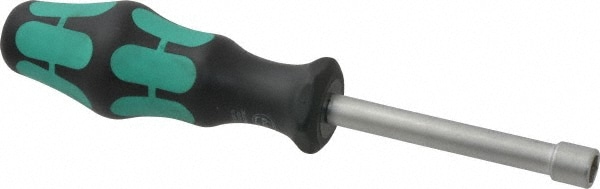
Types of Nut Drivers
- Standard (Solid Shaft): Designed with a solid shaft for use when additional clearance isn't needed.
- Hollow (Hollow Shaft): Designed with a hollow shaft to fit over long or extended bolts.
- Magnetic: Secures fasteners with a strong magnetic hold during use.
- Precision: Ideal for precision instruments and HVAC applications.
- Insulated: Features an insulated handle for safe electrical work.
- Ratchet: Handle features a gear mechanism that drives in one direction and locks in the other for efficient fastening.
- Nut Driver Sets: Nut driver sets include durable, solid-shaft tools with ergonomic handles, available in a range of sizes—typically from 1/4 inch to 5/16 inch—ensuring you have the correct driver for any application.

Various Uses for Nut Drivers
- HVAC Systems: Nut drivers are ideal for securing HVAC components, ensuring everything stays properly fastened. They’re commonly used to tighten hose clamps, secure ductwork, and attach fan mounts for long-term stability. Long-necked nut drivers are especially useful for reaching tight or recessed areas within the system.
- Appliance Repair: Appliances like refrigerators, washers, and dryers contain nuts, bolts, and hoses that must remain securely fastened. During repairs, nut drivers are ideal for loosening and retightening these components. Their narrow, hollow shafts provide easy access to hard-to-reach areas and are available in various sizes to fit different fasteners across applications.
- Electronics: Smaller electronics require minimal torque, making nut drivers the ideal tool. Unlike other hand tools, they reduce the risk of over-tightening, which can damage both the electronics and the tool. Nut drivers provide controlled tightening or loosening of nuts, bolts, and screws without damaging sensitive components.
How to Use a Nut Driver
Proper use of a nut driver can mean the difference between securely fastened components and loose, unreliable connections. Follow this quick step-by-step guide to use a nut driver effectively:
1
Select the Correct Size
Nut drivers come in various sizes to match different nuts and bolts. Choose one that fits snugly around the fastener. Using the wrong size can strip the nut (if too small) or reduce torque and control (if too large).
2
Position the Tool Correctly
Ensure the hollow shaft fits snugly over the nut or bolt. If it feels loose or doesn’t sit properly, switch to a smaller or larger driver for a secure fit.
3
Turn the Nut Driver
Rotate the driver clockwise to tighten and counterclockwise to loosen, just like most hand tools. Apply steady, controlled pressure without over-torquing. Once the nut is secure, stop and remove the driver to avoid overtightening, which can damage the fastener.
To request a quote, please login to your existing account or register a new one. This helps us provide you with a personalized experience and keep track of your requests.